
The question of whether to eat peanuts during pregnancy is a recurring one, often fueled by well-intentioned but sometimes misinformed advice. While some sources suggest avoiding peanuts due to a perceived risk of allergies in offspring, a closer look at the scientific evidence and expert opinions reveals a more nuanced picture. This article aims to provide a comprehensive overview, drawing on available information to address the concerns of expectant mothers regarding peanut consumption.
The Allergy Question: Separating Fact from Fiction
A common concern voiced by expectant mothers is that eating peanuts during pregnancy might lead to their child developing a peanut allergy. This notion stems from the understanding that allergies are an immune system response to specific substances. However, the prevailing scientific consensus and expert opinions suggest that this is largely a misconception.
Dr. Stanko Pušenjak, a specialist gynecologist and obstetrician, directly addresses this concern, stating that if this were true, pregnant women would essentially need to be on a "zero diet" throughout their pregnancy, avoiding a vast array of foods. He emphasizes that peanuts do not inherently differ from other nutrient sources and are generally permissible during pregnancy.
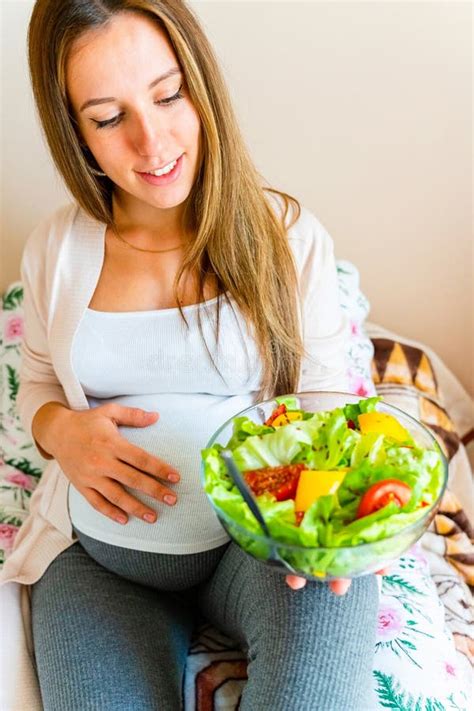
The idea that avoiding allergenic foods during pregnancy prevents allergies in children was a long-held belief, but research has challenged this. For many years, pregnant women were advised to avoid highly allergenic foods like peanuts and strawberries, and to keep these foods away from their children until the age of three. The rationale was to minimize early exposure to potential allergens. However, this approach has been largely abandoned due to a lack of scientific basis and, paradoxically, a continued rise in allergy prevalence. In fact, some studies suggest the opposite may be true.
A study mentioned indicates that the consumption of peanuts by pregnant women who do not have a nut allergy is associated with a lower incidence of nut allergies in their children. This suggests that early, controlled exposure might play a role in immune system tolerance. The UK government, for instance, recommends that certain women avoid peanuts only if they, the baby's father, or one of their previous children has had an allergic reaction to something, including conditions like eczema, asthma, hay fever, or any allergic response to foods such as strawberries, shellfish, or peanuts.
It's crucial to distinguish between general advice and specific medical recommendations. While general advice might err on the side of caution, individual circumstances and a thorough understanding of the current scientific landscape are paramount.
Understanding Peanut Allergies: Prevalence and Severity
Peanut allergy is a significant public health concern, and its prevalence has been increasing in many parts of the world. Approximately one in 200 four-year-old children is estimated to have a peanut allergy, with most developing the condition before their third birthday. Peanut allergy can lead to a severe reaction known as anaphylactic shock, which can be life-threatening.
The development of a peanut allergy typically involves an initial sensitization to peanut protein, followed by a severe reaction upon subsequent exposure. While some experts theorized that this initial sensitization might occur during pregnancy through the placenta, definitive evidence for this remains elusive, and further research is needed.
The severity of peanut allergies underscores the importance of accurate information for both pregnant women and their families. While the fear of triggering a severe allergy is understandable, the current scientific understanding does not support a blanket recommendation for all pregnant women to avoid peanuts.
Nutritional Value of Peanuts: A Powerhouse of Nutrients
Peanuts, botanically classified as legumes, are nutritional powerhouses that offer a range of health benefits. They are rich in vitamins, amino acids, and minerals.
Key Nutrients in Peanuts:
- Vitamins: Peanuts are a good source of B vitamins (B1, B5, B6, B9), vitamin E, H, and PP. Vitamin B9, also known as folic acid, is particularly crucial during pregnancy for reducing the risk of fetal neural tube defects. Vitamin E is recognized for its antioxidant properties and role in skin health.
- Minerals: They contain essential minerals like potassium, copper, zinc, and magnesium. Magnesium is important for heart health, while zinc plays a role in immune function.
- Protein: Peanuts are a significant source of plant-based protein, essential for growth and repair.
- Healthy Fats: They are rich in monounsaturated and polyunsaturated fats, which are beneficial for heart health. Importantly, these fats are cholesterol-free.
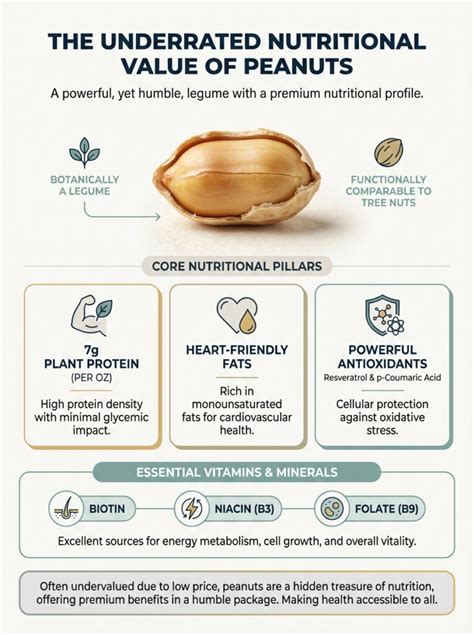
The energy value of 100 grams of shelled peanuts is approximately 550 kcal, with about 26g of protein, 45g of fat, and 10g of carbohydrates. While the high fat content means moderation is advised, especially during a diet, the overall nutrient density makes them a valuable food.
Peanuts in the Pregnant Diet: Benefits and Considerations
During pregnancy, a balanced and nutrient-rich diet is paramount for both the mother's and the baby's well-being. Peanuts can contribute positively to this diet.
Benefits during Pregnancy:
- Folic Acid (Vitamin B9): As mentioned, folic acid is vital for preventing neural tube defects in the developing fetus. Peanuts are a good source of this essential nutrient.
- Energy Source: The healthy fats and protein in peanuts provide sustained energy, which can be beneficial for pregnant women experiencing fatigue.
- Minerals for Development: Minerals like zinc and magnesium support the baby's growth and development.
- Improved Mood and Stress Management: Peanuts contain tryptophan, an amino acid that can help the body produce serotonin, a neurotransmitter that contributes to mood regulation and can help alleviate stress and depression.
Considerations and Precautions:
- Moderation: Due to their calorie and fat content, peanuts should be consumed in moderation. The general recommendation is to limit intake to a handful or about 12 kernels per day, often as a substitute for less healthy snacks.
- Digestibility: Peanuts, like other legumes, can be difficult to digest for some individuals, potentially leading to bloating and gas. If experiencing such symptoms, it's advisable to reduce consumption or consult a healthcare provider.
- Salt Content: The initial forum post highlights the importance of limiting salt intake during pregnancy, with a recommendation of around 3g per day, not exceeding 5g. Therefore, choosing unsalted peanuts is preferable.
- Allergies: For individuals with a known peanut allergy, avoidance is crucial. For those without a history of allergy, the risk of developing one due to consumption during pregnancy is considered low and potentially even beneficial according to some research.
Navigating Dietary Recommendations During Pregnancy: A Broader Perspective
The discussion around peanuts often occurs within the broader context of dietary recommendations for pregnant women. It's important to be aware of foods that are definitively advised against due to potential risks.
Foods to Be Cautious With or Avoid During Pregnancy:
- Listeria Risk: Raw or undercooked meats, certain deli meats (unless heated), unpasteurized milk and dairy products (including soft cheeses like Brie and Camembert, and blue cheeses), raw shellfish, and unpasteurized juices can harbor Listeria monocytogenes, a bacterium that causes listeriosis, a serious infection.
- Mercury Content: Certain fish, such as swordfish, marlin, and shark, contain high levels of mercury, which can harm a developing baby's nervous system. Tuna also contains mercury, so its consumption should be limited.
- Toxoplasmosis Risk: Raw or undercooked meat, and unwashed fruits and vegetables can pose a risk of toxoplasmosis, a parasitic infection.
- Vitamin A Toxicity: Liver and liver products (like pâté) are high in vitamin A, which can be harmful to the baby in excessive amounts.
- Alcohol and Caffeine: Alcohol consumption during pregnancy is strongly discouraged due to its potential to cause serious developmental issues. Caffeine also crosses the placenta, so its intake should be moderated.
- Food Spoilage and Mold: Pregnant women should avoid any food with visible signs of spoilage, including mold. This extends to nuts, dried fruits, and grains, which can be susceptible to mold contamination, even if not visibly apparent. Consuming diverse sources and checking packaging integrity are important measures.
Foods to Avoid During Pregnanacy, and WHAT TO EAT instead.
The advice regarding eggs has also evolved. Partially cooked eggs are now considered safe if they bear a quality mark, indicating they have been produced under strict hygiene standards.
The Role of "Common Sense" and Avoiding "Mass Hysteria"
Dr. Pušenjak's commentary touches upon the phenomenon of "mass hysteria" among pregnant women, where anxieties can be amplified by anecdotal evidence or unverified information. He advocates for a balanced approach, urging expectant mothers to use "common sense" and critical thinking rather than succumbing to every rumor or "witch's tale."
While scientific advancements are crucial, their application should always serve a purpose. The pursuit of avoiding ubiquitous substances can lead to unresolvable problems for individuals prone to anxiety. The key lies in understanding individual risk factors and consulting reliable sources of information.
Conclusion: Informed Choices for a Healthy Pregnancy
In the context of peanut consumption during pregnancy, the current understanding suggests that for women without pre-existing allergies or specific contraindications, moderate intake of peanuts is generally safe and may even offer nutritional benefits. The fear of causing allergies in offspring appears to be largely unfounded and is not supported by robust scientific evidence.
Instead of adhering to outdated or overly restrictive dietary guidelines, expectant mothers are encouraged to:
- Consult Healthcare Professionals: Discuss any specific concerns with their gynecologist or a registered dietitian.
- Prioritize a Balanced Diet: Focus on consuming a wide variety of nutrient-rich foods.
- Be Mindful of Salt Intake: Opt for unsalted peanuts and limit overall sodium consumption.
- Stay Informed: Rely on credible sources of health information and critically evaluate advice received.
- Listen to Their Bodies: Pay attention to any personal sensitivities or adverse reactions.
By embracing a well-informed and balanced approach, pregnant women can make confident dietary choices that support their health and the healthy development of their babies.
tags: #slani #arasidi #v #nosecnosti